
Re:Fish
Förlorade fiskeredskap finns i alla hav, sjöar och vattendrag där fritidsfiske bedrivs. De orsakar onödigt lidande för fiskar, fåglar och marina däggdjur.
I EU-projektet Re:Fish arbetar Håll Sverige Rent för ett renare och friskare Östersjöområde.
Projektperiod: mars 2023 – februari 2026
Finansierat av Interreg, Central Baltic Programme
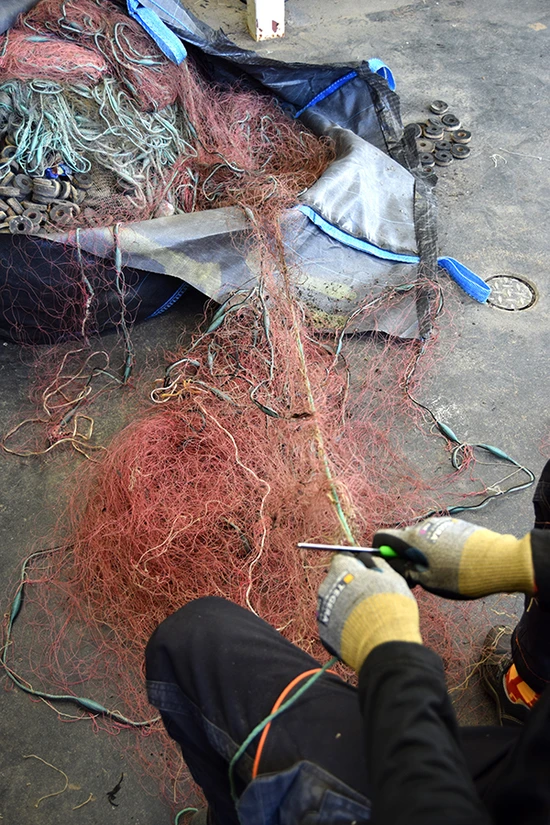
EU-projektet Re:Fish tog upp problemet med plastföroreningar och spökfiske i centrala Östersjön, med början i Sverige, Finland och Estland som pilotområden.
Problemet
Förlorade fiskeredskap, inklusive fisketillbehör, finns i alla hav, sjöar och vattendrag där fritidsfiske bedrivs. Fiskenät orsakar onödigt lidande för fiskar, fåglar och marina däggdjur. Dessutom bidrar dom till förorening av både plast och farliga ämnen. Det är också ett vanligt problem att uttjänta nät lämnas utomhus där de bryts sönder och sprider mikroplast i miljön.
Resultat
Projektet Re:Fish har inte bara tagit bort fiskeredskap från centrala Östersjön för att förbättra havsmiljön, vi fick också med oss viktiga aktörer (fritidsfiskare, tillverkare och butiker, ideella organisationer, universitet och myndigheter) för att jobba förebyggande och få bättre kontroll på förlorade fritidsfiskeredskap framöver.
Projektet omfattade:
- Hämtningsoperationer
- Sanering
- Insamling av uttjänt utrustning
- Inhämtning av kunskap
- Kampanjer för att öka medvetenheten
- Dialog med relevanta aktörer
- Förebyggande åtgärder
Skräpdyk vid Stockholm Ström
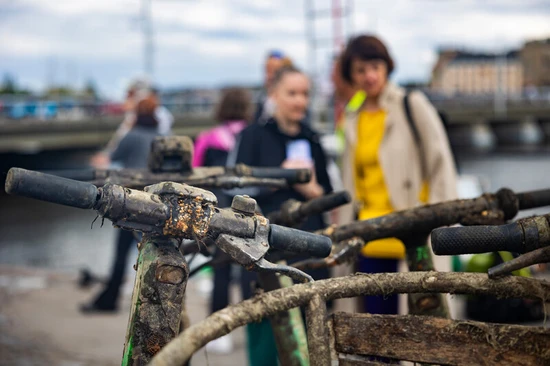
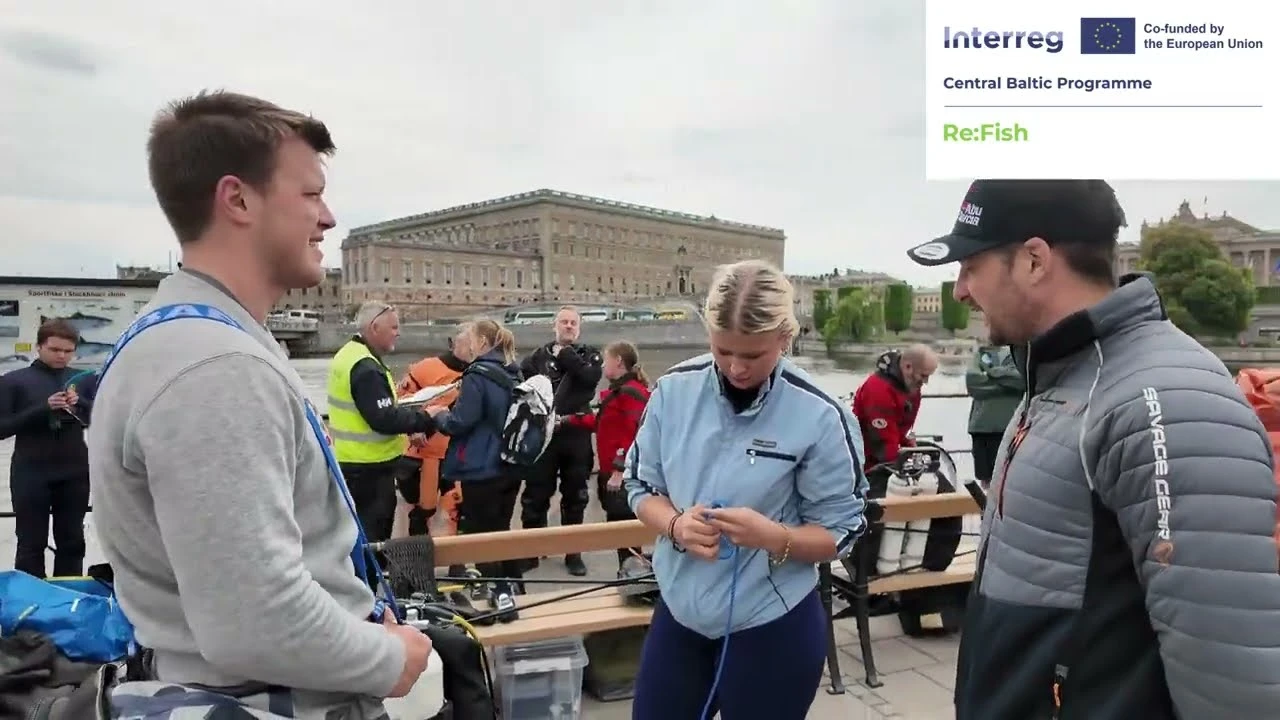
Den 8 juni 2025, på Internationella Världshavsdagen, arrangerade EU-projektet Re:Fish ett inspirerande evenemang vid Stockholm Ström – en populär fiskeplats. Fokus låg på en skräpdykning för att belysa problemen med marint avfall, särskilt förlorade fiskeredskap, och visa lösningar för skräpfritt fiske.
Initiativet, som genomfördes inom Interreg Central Baltic-programmet i samarbete med Sverige, Finland och Estland, betonade vikten av gränsöverskridande insatser för att skydda haven.
Vi städade upp:
- 22 st elsparkcyklar
- Några cyklar
- 170 kg däck
- 300 kg övrigt skräp
- Och en Darth Vader-mask
Stort tack till Hands2Ocean, Håll Skärgården Ren, Tartu universitet och Finska miljöinstitutet SYKE – samt alla dykare, volontärer och deltagare som gjorde detta möjligt.
Se video nedan 👇

Vad du kan göra!
Ta ställning mot skräpet du också!
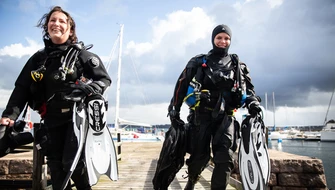
Gå med i Håll Sverige Rent, och visa att du är en del av Sveriges största rörelse mot skräp!
Lär dig mer om skräpfritt fiske
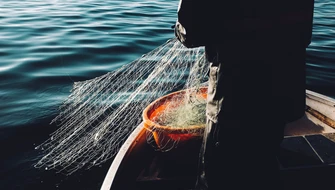
Lär dig mer hur du kan förebygga att fiskeredskap hamnar på fel ställe.
Tobias Fränstams bästa tips för ett skräpfritt fiske
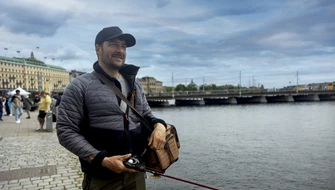
Ta del av fiskeinfluencern Tobias Fränstams bästa tips när det kommer till skräp och fiske!
Rapporter
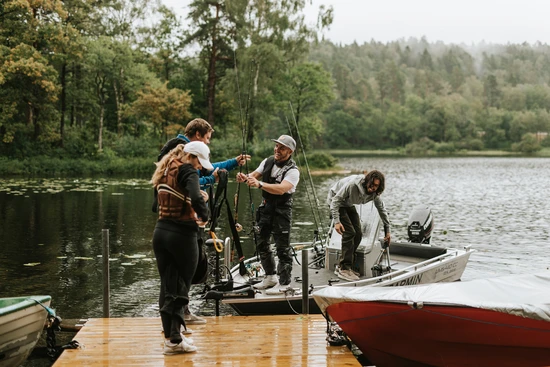
Utforska rapporterna från det avslutade Re:Fish-projektet, där vi delar viktiga insikter, resultat och erfarenheter från vårt arbete för att stödja ett mer hållbart fritidsfiske.
Projektpartners
Refish in English
Programme priority - Improved environment and resource use
Programme objective - Improved coastal and marine environment
Lead partner Keep Sweden Tidy Foundation
Project period: March 2023 – February 2026
The EU-funded Re:Fish project addressed the problem of plastic pollution and ghost fishing in the Central Baltic Sea, with Sweden, Finland and Estonia as pilot areas.
The problem
Lost fishing gear, including fishing accessories, is found in seas, lakes and streams where recreational fishing takes place. Gillnets cause unnecessary suffering to fish, birds and marine mammals. In addition, they contribute to pollution from plastics and hazardous substances. End-of-life fishing nets are also commonly left outdoors, where they break down and spread microplastics into the environment.
Results
The Re:Fish project not only removed lost fishing gear from the Central Baltic Sea to improve the marine environment, but also engaged key stakeholders – including recreational fishers, manufacturers and retailers, NGOs, universities and public authorities – in efforts to prevent the loss of recreational fishing gear and improve its monitoring in the future.
The project included:
- Retrieval operations
- Clean-up activities
- Collection of end-of-life fishing gear
- Knowledge gathering
- Awareness-raising campaigns
- Dialogue with relevant stakeholders
- Preventive measures
Reports
Explore the reports from the completed Re:Fish project, where we share key insights, results and lessons learned from our work to support more sustainable recreational fishing.